
Dental Bridgesin Columbia, MO
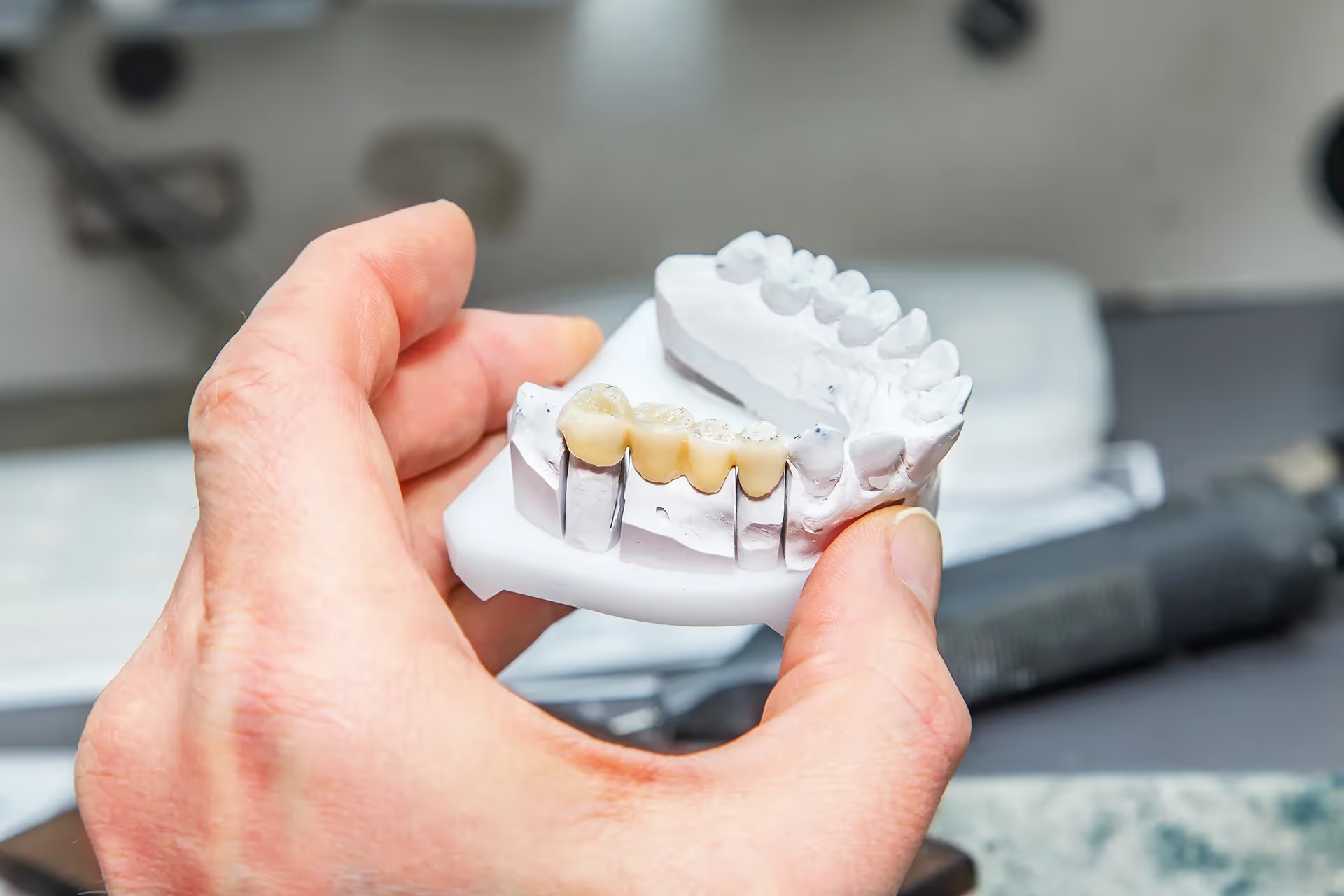
Is a missing tooth affecting your smile? Dental bridges can fill the space with a natural-looking artificial tooth that blends seamlessly with your other teeth. Your bridge is anchored by dental crowns placed on the teeth next to the gap, one of the many restorative dentistry solutions we offer to help you eat, speak, and smile with confidence again.
Why should I get a dental bridge?
Losing a tooth can put a damper on your smile and self-confidence. But there’s no need to wait to fix your situation — a dental bridge can fortify the healthy teeth that surround the space and replace your missing tooth in just two visits. The bridge prevents your surrounding teeth from shifting and helps maintain a proper bite. Plus, this appliance is permanently fixed into your natural teeth, so it won’t move around like dentures. You’re just one bridge away from getting your grin back. Schedule a consultation today to see if a dental bridge is the right choice for you.
No Putty Necessary
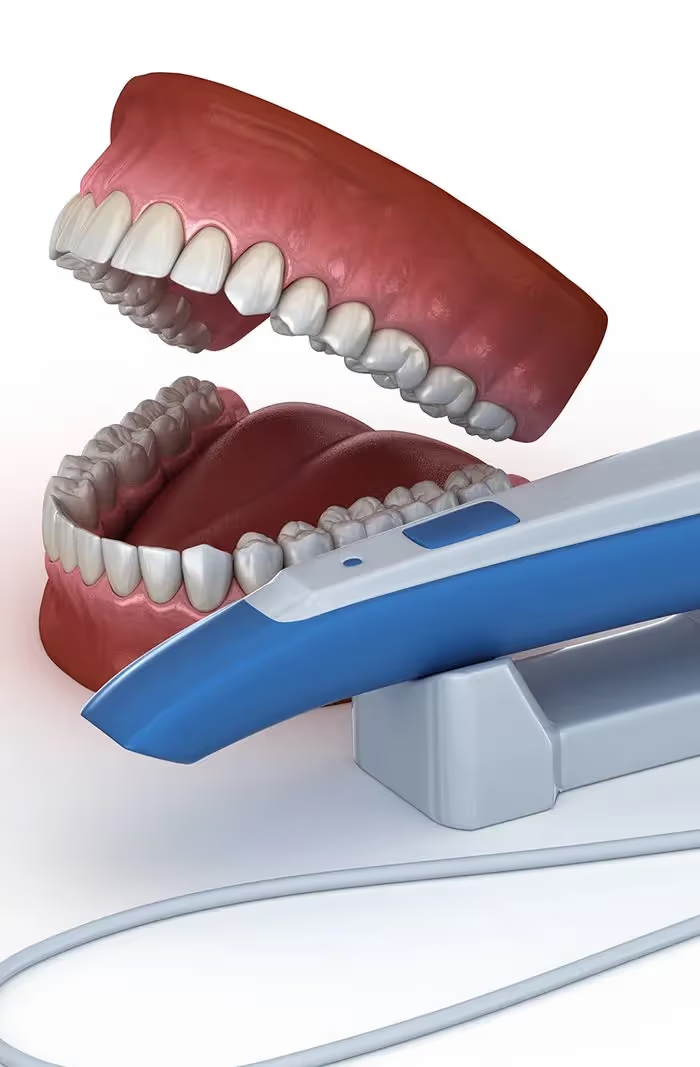
Say goodbye to goopy impressions! Our 3D intraoral scanner allows us to capture images and create models of your tooth for a digital, mess-free procedure.
Your Care, Your Terms
You deserve affordable, accessible care. That’s why we provide a variety of flexible financing options to meet your unique needs. Ready to work out a budgeting plan? Reach out to our team to get the conversation started.
The Benefits of Dental Bridges
No Surgery Needed
Undergoing a dental bridge treatment is a minimally invasive, non-surgical process. An implant-retained bridge will require surgery.
Durable & Sturdy
Permanently affixed to your surrounding healthy teeth, bridges can last for years with proper care.
Strengthens Your Smile
Bridges preserve your alignment and keep your other teeth from shifting.
Keeping Bridges In Your Budget
The Dental Bridge Treatment Process
Preparation & Impressions
After cleaning and numbing your mouth, Dr. Thomas will prepare the teeth next to your missing tooth. These “abutment teeth” will support the crowns that anchor your dental bridge. Next, a digital scan of your teeth will be taken and sent to a dental lab, where your custom bridge will be created for a precise, comfortable fit.

Temporary Bridge
Depending on your needs, Dr. Thomas will place a temporary resin bridge to protect your prepared abutment teeth, or two temporary dental crowns. Either way, your prepared teeth will be covered and protected until your permanent bridge can be placed.

Permanent Placement
Once your permanent bridge is ready, you’ll come into the office to have the bridge checked for proper fit. Minor adjustments may be made to ensure that your bridge looks and feels natural. Dr. Thomas will then use powerful dental cement to attach the dental crowns and bridge permanently to your abutment teeth, restoring your smile and your bite.
FAQs
Frequently Asked Questions
Check out these frequently asked questions, or call us to speak with our team.
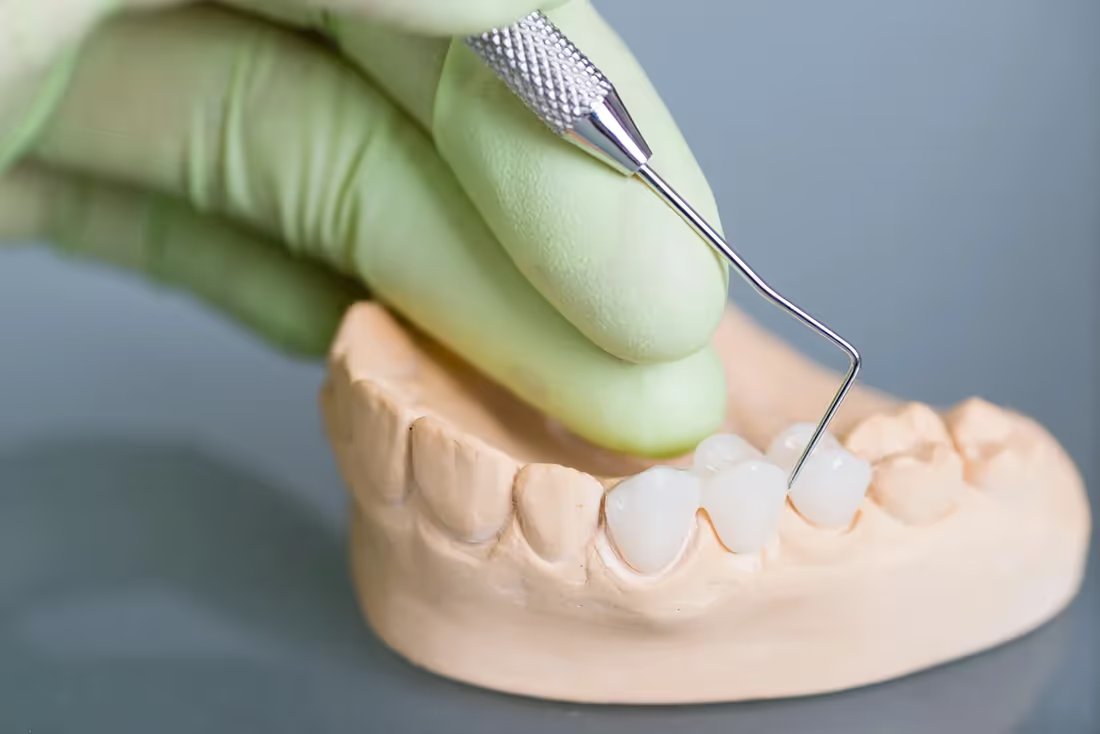
While every type of bridge is different, dental bridges all share similar characteristics, and work in the same way. A bridge is used to attach one or more false teeth to your existing teeth – locking them into place by using dental crowns (fixed and cantilever bridges) or metal “wings” that attach to the rear of your teeth (Maryland bridges).
Because they won’t move or shift, they’re a great alternative to partial dentures. And since they do not require invasive surgery, some patients prefer dental bridges as an alternative to dental implants.
Dental bridges are considered to be a permanent treatment since they can only be removed by a dental professional and they typically last 10-15 years or longer.
In addition, the tooth preparation procedure for your abutment teeth is not reversible. It requires the permanent removal of enamel from one or more of your teeth, so you may want to keep this in mind when deciding whether or not a bridge is right for you.
Yes. Dental bridges, like all dental prostheses, can become damaged over time or worn down from daily use when chewing, biting, smiling, and speaking. Typically, bridges last between 10–15 years, but the expected lifespan of your bridge may vary depending on the type of bridge, how well you care for your teeth, and other individual factors.
Dental bridges can be made from different materials depending on your needs. While PFM (porcelain-fused-to-metal) bridges were once very common, they’re now typically only used in cases where there is limited space between the upper and lower teeth. Today, all-zirconia bridges are more common, offering excellent strength, durability, and a natural look. Most bridges are designed with crowns for your natural teeth (abutments) and porcelain or zirconia replacement teeth (pontics) to fill the space left by a missing tooth or teeth. Acrylic bridges may sometimes be used as a temporary option, but they are less durable than porcelain or ceramic materials.
The cost of dental bridges is different for each patient. Factors that may affect the cost of your bridge include your overall oral health, the type of bridge you choose, pre-treatment surgeries (like tooth extraction), and more. The best way to find out how much you’ll pay for a dental bridge is to schedule a consultation with your dentist.
However, dental bridges are usually covered, at least in part, by dental insurance when they’re used to restore missing teeth. Contact your insurance provider to learn more about your coverage.

dental care beyond compare
Whether you’re booking a routine visit or exploring care options for your child, we’re here to help every step of the way.