

Kid & Adult Frenectomiesin Columbia, MO
For some kids and adults, smiling, speaking, and drinking can be restricting. Typically, this is due to an overdeveloped frenum, also known as a lip and tongue tie. Lip and tongue restrictions hinder the ability to move the mouth freely, causing a major interference with living and smiling to the fullest. Left untreated, a lip or tongue tie can also contribute to breathing and sleep issues, which is why frenectomies are often paired with our airway dentistry care, and for our youngest patients, addressed as part of our children's dentistry services.
Why is a frenectomy needed?
If you or your child require a frenectomy, you probably have some questions. Surgical procedures typically sound extreme but don’t fret - frenectomies in Columbia are simple, safe, and most importantly, minimally invasive. Dr. Thomas only recommends them when absolutely necessary. For example, when a lip or tongue tie is causing restriction in the mouth, preventing the ability to speak, eat, and smile freely. If you or your child have been struggling with any of these issues, give us a call! It’s never too late to get the treatment needed to help you or your child live and smile without limits.

Laser Frenectomies
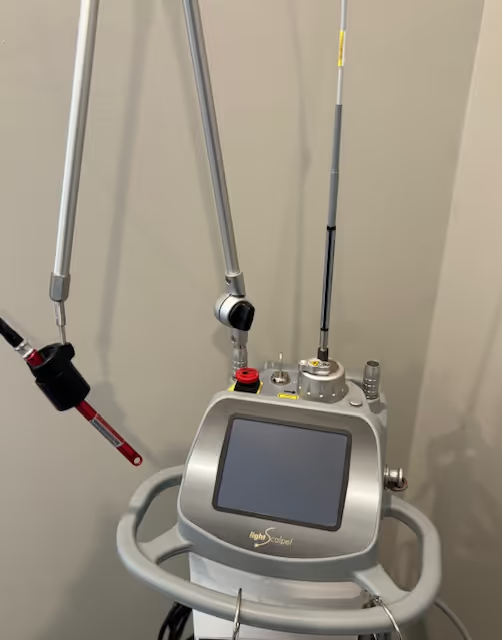
Our gentle, yet effective laser can correct tongue and lip ties with minimal discomfort while promoting faster healing. For infants, numbing is typically not required, while adults may need local anesthesia to ensure comfort. The entire procedure usually takes less than 15 minutes from start to finish.

Our Advice Is Free
Sometimes, getting started is the hardest part. We are here to help you take the first step with free frenectomy consults.
The Benefits of Frenectomies
Enhance Self-Esteem
Lip or tongue ties can cause gaps in the teeth and gum recession. These not only cause discomfort but can lower self-esteem. With a frenectomy, we can boost you or your child’s smile confidence.
Fix Speech Impediments
Frenectomy treatment will free the tongue and help treat speech impediments due to limited tongue movement.
Improve Eating & Appetite
Releasing frenum restriction and increasing tongue and mouth movement will improve you or your child's eating habits, ultimately increasing overall appetite and enjoyment of food.
Free Frenectomy Consults
The Frenectomy Process

Initial Consultation
A consultation is necessary to determine if you or your child require a frenectomy. We will discuss your experiences and conduct a thorough exam to check for a lip or tongue tie. If a lip or tongue tie is found, we’ll schedule the surgery.

Releasing the Tissue
We exclusively use a dental laser for frenectomies, as it offers the most comfortable and effective treatment option. Laser treatment is quick, minimally invasive, and greatly reduces discomfort compared to traditional methods like scissors. It also minimizes bleeding and promotes faster healing, allowing patients to recover more comfortably. The procedure takes just seconds, making it a safe and efficient way to correct tongue or lip ties.

Aftercare & Healing
With a laser frenectomy, sutures may occasionally be placed for older children and adults to support healing, though they are typically unnecessary for infants. Aftercare does not include cleaning the surgical site, as this can interfere with normal healing; instead, patients are instructed to allow the area to heal naturally. Stretching exercises and/or oral therapy are commonly recommended after a frenectomy in Columbia—whether or not sutures are used—to promote proper function and reduce the risk of reattachment, and your provider will advise when exercises should begin based on age, procedure type, and individual healing.
FAQs
Frequently Asked Questions
Check out these frequently asked questions, or call us to speak with our team.
Tongue and lip ties are known as “tethered oral tissues” or TOTs. They occur when the bands of tissue that connect the tongue or the lips to the mouth become overdeveloped to the point that proper mouth movement is restricted.Minor tongue and lip ties may not cause eating problems, or contribute to speech impediments.However, serious tongue and lip ties can put a hindrance on you or your child’s wellbeing. For both adults and children, the side effects of not eating or speaking freely can impact self-esteem and getting proper nutrition. Not only that, but it can cause sleep-related problems that contribute to serious health conditions.
Midline or posterior tongue restrictions are not always visible on simple inspection and are often identified through functional assessment combined with visual examination, rather than by appearance alone. Feeding difficulties are the most common signs of tongue and lip restrictions, as proper tongue and lip movement are needed to achieve and maintain an effective latch. Symptoms may include difficulty maintaining a seal, milk leaking during feeds, clicking, frequent unlatching, poor weight gain, or caregiver discomfort.
Visual inspection alone—such as checking whether a child can stick their tongue past their front teeth—does not reliably detect many mid-tongue restrictions and is one reason these ties are frequently missed. While an obvious anterior tongue tie may present with features like a heart-shaped tongue or limited protrusion, these signs do not apply to many posterior restrictions, making a functional evaluation by a trained provider essential for accurate diagnosis.
Frenectomies are among the least invasive oral procedures and are typically very quick to perform. For infants, only a topical numbing agent is used to help minimize discomfort. With laser treatment, there is usually minimal bleeding and a faster, more comfortable healing process compared to traditional methods. While every child’s experience is different, most patients tolerate the procedure well and recover quickly.
Coverage for a frenectomy varies significantly by insurance plan and provider, and the procedure is not routinely covered by many dental insurance plans. Some policies may offer partial coverage under dental or medical benefits, while others exclude the procedure entirely. Out-of-pocket costs can therefore differ widely. Patients are strongly encouraged to contact their insurance company directly to verify coverage, benefit limitations, and preauthorization requirements before treatment.
Aftercare does not include cleaning the surgical site, as this can interfere with normal healing. Stretching exercises are routinely recommended to promote proper healing and reduce the risk of reattachment, except in older children or adults who receive sutures, in which case stretches may be delayed or modified based on the provider’s guidance. Patients and caregivers should carefully follow the specific exercise instructions provided to achieve the best functional outcome.

dental care beyond compare
Whether you’re booking a routine visit or exploring care options for your child, we’re here to help every step of the way.